LOVES PARK, Ill. — Legislation that would change how Illinois courts sentence younger teens to focus more on youth rehabilitation over punishment is now law thanks to the work of state Rep. Dave Vella, D-Loves Park.
“Harsh, life-changing punishments should not be the answer to correct petty mistakes made by children and younger teens,” said Vella. “To make a difference in our younger communities, we need to provide rehabilitative services that help our youth’s minds reflect on their behavior, correct their mistakes and give them a fresh start.”
Right now, Illinois courts can apply a mix of juvenile and adult sentencing rules to children as young as 13 years of age. Supporters of the bill say that approach can be too harsh too early, and doesn’t always take into account a child’s ability to grow and change.
Vella’s House Bill 5020 would make several key changes:
- Raise the age threshold: Only minors 15 years of age and older could be considered for blended sentencing, instead of 14 years of age and younger.
- Require deeper judicial review: Judges would have to take a closer look at each child’s situation—including maturity level, educational or developmental challenges, home environment and likelihood of rehabilitation, before deciding on adult sentencing.
- Give judges more flexibility: Courts would no longer be required to impose an automatic adult sentence. Judges could choose to keep the case fully within the juvenile system if they believe it’s appropriate.
- Limit when adult penalties can be used later: Harsher sentencing would only apply if a minor commits a serious new offense, and only if there is strong evidence. Minor violations, like missing a required meeting, would not trigger adult consequences.
Supporters say the changes could have a direct impact on families and communities by keeping more young people out of the adult system and giving them a better chance at turning their lives around.
“Holding kids to the same standards as adults when committing petty mistakes is only preventing them from seeking the help they need. Some kids don’t know the difference between right and wrong, so it’s important that we give them a space where they feel protected, safe and where they can learn from their mistakes,” said Vella.
Rep. David A. Vella
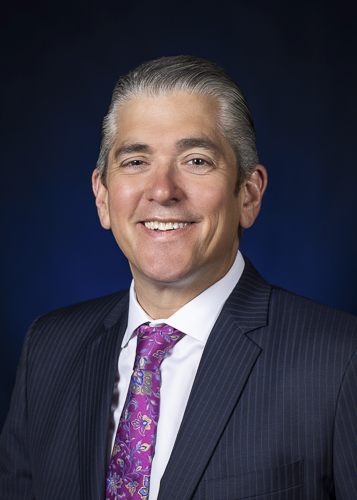
(D-Loves Park)
68th District
Springfield Office:
290-S Stratton Office Building
Springfield, IL 62706
(217) 782-0455
District Office:
4007 N Mulford Rd
Loves Park, IL 61111
(815) 329-6741