JOLIET, Ill. – State Rep. Natalie Manley, D-Joliet, hosted the inaugural meeting of the bicameral, bipartisan Illinois Legislative Neurodiversity Caucus (ILNC) Monday — the first of its kind in Illinois history. Over 90 legislators from across the state and community leaders participated. Additionally, Joliet Junior College President Clyne Namuo spoke from an auditorium filled with an additional 75 educators and students during the caucus via Zoom. State Sen. Meg Loughran Cappel, D-Shorewood, is ILNC co-chair.
The mission is to create a more equitable and supportive Illinois by advancing these four key cornerstones: support, access, resources, and education.
“This inaugural meeting of the Illinois Legislative Neurodiversity Caucus follows many, many months of rigorous group effort, thousands of hours of meetings, and endless research — not to mention the both heartbreaking and uplifting stories that surround the challenges faced by those who identify as neurodivergent,” said Rep. Manley. “While this first meeting was just an initial step, the overwhelming involvement and support from this caucus so far puts us on solid footing in our collective effort to help improve the lives of Illinoisans.”
State Sen. Seth Lewis, R-Bartlett, and state Rep. Nicole La Ha, R-Homer Glen, have joined the caucus as co-chairs.
The ILNC has established four cornerstones:
- Support
We advocate for individualized, culturally competent, and trauma-informed services across all life stages. This includes in-school accommodations, mental health supports, and affirming care navigation to reduce stigma and ease caregiver burden. - Access
We seek to expand timely and equitable access to evaluations, therapies, assistive technologies, and wraparound services regardless of income, geography, age, or insurance status by addressing systemic barriers such as long waitlists and disconnected care systems. - Resources
We work to identify, amplify, and coordinate existing resources across schools, agencies, nonprofits, and communities, to overcome an abundance of programs which remain invisible to the people who need them most. We also aim to bring greater visibility to the state laws and accomplishments that already support neurodivergent individuals and to spotlight where those programs and services can be found. Through this effort, we can empower families and individuals to access what already exists while closing remaining gaps. - Education
We promote inclusive education and training for educators, healthcare providers, employers, and policymakers. Incorporating lived experiences and evidence-based practices fosters environments that affirm and support neurodivergent individuals in schools, workplaces, and beyond.
Sen. Cappel outlined several areas where potential legislation will be discussed. Also during the meeting, representatives from Special Olympics Illinois briefly explained those who have intellectual disabilities who participate have a life expectancy of 20 years longer.
Every week, Rep. Manley continues to meet with numerous organizations and community leaders who work with people who are neurodivergent.
Neurodiversity refers to the natural variation in human brain function and behavioral traits. It recognizes that conditions such as autism spectrum disorder, ADHD, dyslexia, and others are not deficits or disorders to be “fixed,” but rather part of the normal spectrum of neurological development. Embracing neurodiversity means valuing different ways of thinking, learning, and interacting with the world.
Rep. Natalie Manley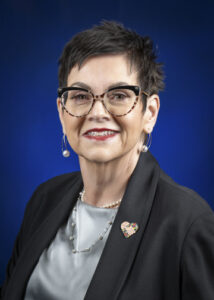

Assistant Majority Leader
(D-Joliet)
98th District
Springfield Office:
300 Capitol Building
Springfield, IL 62706
(217) 782-3316
District Office:
1050 W. Romeo Rd.
Suite 101
Romeoville, IL 60446
(815) 725-2741