Berwyn, Ill. — State Rep. Abdelnasser Rashid (D-Bridgeview) issued the following statement after the Legislative Ethics Commission voted to release the Legislative Inspector General’s report on former Rep. Harry Benton, who resigned July 3 following an investigation into allegations of serious misconduct:
“I welcome the unanimous vote to release the Inspector General’s report, and I commend the survivors whose courage brought this misconduct to light. However, the public’s right to know what its elected officials did wrong should never depend on a discretionary vote.
“For nearly three weeks after Representative Benton resigned, a completed report sat under seal because our ethics laws give a commission of eight legislators the power to decide whether the public ever sees the Inspector General’s findings. This time, the commission did the right thing, but the law should not make that optional. Under my bill, there would have been nothing for the commission to vote on. The Inspector General would have been required to publish the report within 60 days.
“No other inspector general in Illinois operates under these constraints. Chicago’s Inspector General publishes summaries of every sustained investigation through their own authority. Cook County’s Independent Inspector General reports publicly every quarter without asking the County Board’s permission. In our own state government, no executive branch official gets to vote on whether an inspector general may issue a subpoena. Only the General Assembly has carved out this exception for itself.
“I urge my colleagues to move this bill forward when we return to Springfield. The next time an Inspector General finds wrongdoing by a member of the legislature, the public shouldn’t have to wait for our permission to learn the truth.” — Rep. Abdelnasser Rashid
HB 3562, the Inspector General Independence Act, filed by Rep. Rashid in February 2025, would bring the Legislative Inspector General’s authority in line with other inspector general models used across state and local government. The bill:
-
Empowers the Legislative Inspector General to issue subpoenas without advance approval from the Legislative Ethics Commission, ending the practice of requiring investigators to get permission from the legislators they oversee, a restriction no comparable IG in Illinois faces;
-
Requires publication of summary reports by the Inspector General, not the Commission, within 60 days of the Commission’s receipt of the report and the jurisdictional authority’s response, ensuring the public record includes the findings, the official response, and any response the individual investigated chooses to provide;
-
Prohibits the Commission from adopting any rule requiring the Inspector General to seek advance approval before publishing summary reports;
-
Places responsibility for redactions with the Inspector General, with clear requirements to protect the privacy of complainants, witnesses, and survivors.
-
Requires each of the four appointing authorities to appoint at least one commissioner from the general public, guaranteeing that at least half of the Commission’s eight members come from outside the General Assembly.
Rep. Abdelnasser Rashid
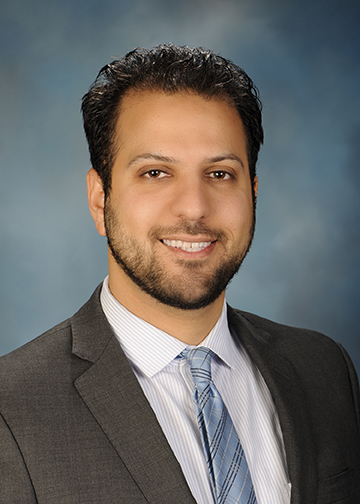
(D-Bridgeview)
21st District
Springfield Office:
242A-W Stratton Office Building
Springfield, IL 62706
(217) 782-5280
District Office:
6901 W. Cermak Road,
Berwyn, IL 60402
708-965-7563