SPRINGFIELD, Ill. – In an effort to reduce the wrongly inflated property tax burden for many Illinois homeowners, state Rep. Natalie Manley, D-Joliet, has proposed legislation aimed to add accountability that would give county supervisors of assessments authority to step in and correct when township assessors fail to assess commercial and industrial developments properly, completely, or at all. The potential shift in assessed properties could mean millions of dollars for a staggering number of wrongly-taxed homeowners.
“Property owners are bearing the brunt of higher taxes in areas where some township assessors are not properly addressing new construction, warehouses, and other commercial and industrial properties,” Rep. Manley said. “House Bill 5086 would give the county-level assessor oversight, creating a more equitable system, regardless of which township residents are from. This is only the first step in a series of necessary property tax reforms.”
New construction of residential warehouses, or other commercial and industrial properties, should spread the property tax burden across a broader number of payees. When these new developments are not correctly factored in, the result is higher taxation for some residential property owners, while the warehouses, or other commercial properties are not taxed correctly or at all.
The legislation was initiated after Will County identified several missed new construction properties that had not been added to the property tax assessment rolls, including several large distribution warehouses. The cost to homeowners could potentially result in millions of dollars of property taxes.
By law, township assessors are currently required to review all property in their jurisdiction every four years, and to provide the county with the value of any new construction in order to factor into the annual property taxes for all. However, many of the township assessor offices, this is not being done thoroughly, consistently, or not at all.
Data from the most recent reporting cycle supports this need for oversight and accountability. For example, in Will County, less than half (48%) of all required residential properties were revalued across Will County’s 24 townships, according to the four-year assessment cycle in 2023.
Concerning commercial and industrial properties for the same time frame, less than a third (27%) were revalued. Ten of those 24 townships failed to revalue nearly all (97%) of their commercial and industrial properties. And, an alarming five townships had revalued zero of the commercial or industrial properties.
“Ensuring accurate tax bills for homeowners should be a top priority,” said Village of Channahon President Missey Moorman Schumacher. “If passed, this legislation would create checks and balances locally to ensure that residents can have confidence in how their properties are assessed.”
This bill would not only empower a county’s supervisor of assessment to evaluate and re-assess properties, but it would put the financial burden caused by township assessors back onto the townships. County-level assessors would be able to invoice townships for additional costs incurred in completing the re-assessments.
The threshold that would trigger a county-level re-assessment would happen when either new construction was omitted, or when at least 20% of any properties were not reassessed or revalued. This would occur during the general assessment year that occurs every four years by township assessors.
“Illinoisans deserve a system of checks and balances, especially when it comes to taxation,” Rep. Manley said. “House Bill 5086 will shine a light on wrongly-assessed or under-assessed property taxes, and create necessary accountability for those who determine our taxation. Townships and their assessors that are following the law and assessing properly will not experience an impact from this proposed legislation. The intent is for this oversight to nudge townships toward prioritizing assessments more thoroughly.”
“This legislation creates a more accurate and fair tax bill,” said Will County Executive Jennifer Bertino-Tarrant. “The existing process is creating inaccuracies due to countywide inequities. Commercial and large-scale industrial properties are not seeing the same tax impact that homeowners are.”
Rep. Manley is a Certified Public Accountant, who serves as vice-chair of the House Financial Institutions and Licensing Committee, in addition to serving the House Counties and Townships Committee, and other committees. She also serves on the state’s Legislative Audit Commission.
Rep. Natalie Manley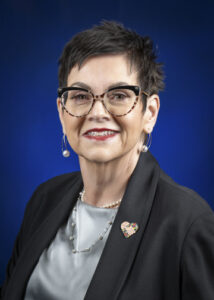

Assistant Majority Leader
(D-Joliet)
98th District
Springfield Office:
300 Capitol Building
Springfield, IL 62706
(217) 782-3316
District Office:
1050 W. Romeo Rd.
Suite 101
Romeoville, IL 60446
(815) 725-2741