CHICAGO – Under new mass transit guidelines introduced by a reform law passed by state Rep. Abdelnasser Rashid, D-Bridgeview, local buses and trains will run more reliably, and with enhancements to public safety aboard.
“Our community deserves access to a public transit system that works — free of worrying about ghost buses, infrequent service or other issues that too often create a subpar experience for riders,” said Rashid. “Strong support for public transit continues to power our world-class communities and connect our residents with opportunities that would otherwise be inaccessible.”
Across our state, public transit takes people to work, takes people home, and connects people, businesses, and communities more than 400 million times every year. But that system has faced major challenges; fragmented governance, uneven investment, and post-COVID ridership losses have left transit struggling with unreliable service, delayed trains, canceled routes, and a looming fiscal cliff that’s threatening to derail it all.
Rashid worked to save and improve transit by passing House Bill 2111, a transformational package of reforms that brings Pace, CTA, and Metra together into one modern, efficient system. The new Northern Illinois Transit Authority(NITA) is a major step toward a transit system that gets people where they need to go affordably, protects taxpayers, and offers a better experience for riders and workers.
Rashid’s reforms mean:
- More efficient administration: NITA will operate with new internal and independent auditors to crack down on waste, fraud, and abuse in transit. It will be required to maintain a reserve fund to prevent future bailouts.
- Reliable, modern service: NITA will bring uniformity to fares and schedules to better meet the needs of riders—whether on buses or trains, whether in the city or the suburbs.
- A safer experience for riders and workers: A multijurisdictional law enforcement team will step up enforcement right away. NITA will deploy ambassadors across the system to assist people experiencing mental health crises. And a permanent office of safety will lead long-term planning to keep riders and workers safe.
House Bill 2111 was signed into law Tuesday.
Rep. Abdelnasser Rashid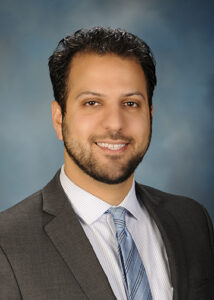
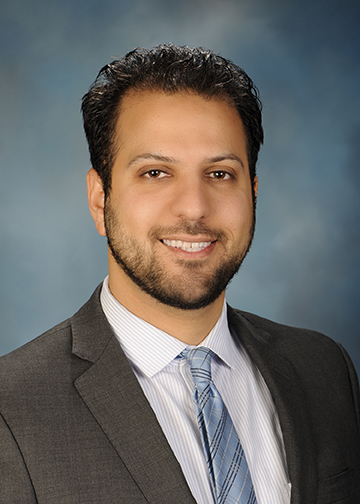
(D-Bridgeview)
21st District
Springfield Office:
242A-W Stratton Office Building
Springfield, IL 62706
(217) 782-5280
District Office:
6901 W. Cermak Road,
Berwyn, IL 60402
708-965-7563